Understanding Why Your GLP-1 Treatment Might Not Be Effective

GLP-1 (glucagon-like peptide-1) treatments have become a popular option for managing type 2 diabetes and supporting weight loss. Many people turn to these medications expecting significant improvements in blood sugar control and appetite regulation. Yet, some find their GLP-1 therapy does not deliver the expected results. If you are among those wondering why your GLP-1 treatment might not be working, this post will explore common reasons and offer practical advice to help you get the most from your therapy.
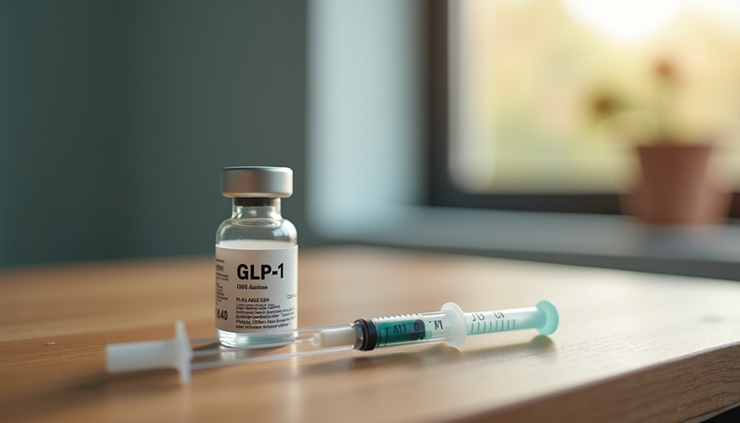
How GLP-1 Treatments Work
GLP-1 is a hormone that helps regulate blood sugar by stimulating insulin release after meals, slowing stomach emptying, and reducing appetite. Medications that mimic GLP-1 aim to improve blood sugar control and support weight loss by enhancing these natural effects. Common GLP-1 receptor agonists include drugs like liraglutide and semaglutide.
While many patients experience benefits, the effectiveness of GLP-1 treatments depends on several factors. Understanding these can clarify why some people see limited results.
Common Reasons GLP-1 Treatments May Not Work
1. Incorrect Dosage or Timing
GLP-1 medications often require careful dose adjustments. Starting at a low dose and gradually increasing helps reduce side effects like nausea. If the dose remains too low, the medication may not provide enough effect. On the other hand, skipping doses or inconsistent timing can reduce effectiveness.
What to do: Follow your healthcare provider’s instructions closely. If you feel your dose is too low or side effects prevent dose increases, discuss this with your doctor rather than stopping or adjusting the medication yourself.
2. Lifestyle Factors
GLP-1 treatments work best when combined with healthy lifestyle changes. Diet, physical activity, and sleep all influence blood sugar and weight management. Without these supports, medication alone may not achieve desired results.
Examples of helpful lifestyle habits:
Eating balanced meals with controlled portions
Engaging in regular moderate exercise, such as walking 30 minutes daily
Getting adequate sleep to support metabolism and hormone balance
3. Individual Differences in Response
Not everyone responds the same way to GLP-1 therapy. Genetics, gut hormone levels, and other health conditions can affect how well the medication works. Some people may need alternative or additional treatments to reach their goals.
4. Underlying Medical Conditions
Certain health issues can interfere with GLP-1 effectiveness. For example, gastrointestinal problems may affect absorption or tolerance. Thyroid disorders, hormonal imbalances, or other metabolic conditions can also impact results.
Tip: Share your full medical history with your healthcare provider to identify any factors that might influence your treatment.
5. Expectations and Time Frame
GLP-1 treatments often require patience. It can take weeks or months to see significant changes in blood sugar or weight. Unrealistic expectations may lead to disappointment and premature discontinuation.
Advice: Track your progress with measurable goals and regular check-ins with your healthcare team. Small improvements over time add up.
How to Improve Your GLP-1 Treatment Outcomes
Communicate Openly with Your Healthcare Provider
Discuss any side effects, concerns, or lack of progress. Your provider can adjust doses, suggest complementary therapies, or explore other options.
Focus on Consistency
Take your medication exactly as prescribed. Avoid missing doses or changing timing without advice.
Support Treatment with Healthy Habits
Plan meals to avoid blood sugar spikes
Stay active to improve insulin sensitivity
Manage stress through mindfulness or relaxation techniques
Monitor Your Progress
Keep a journal of your blood sugar readings, weight changes, and how you feel. This information helps your provider make informed decisions.
When to Consider Alternative or Additional Treatments
If GLP-1 therapy does not meet your needs after a reasonable period, your healthcare provider may recommend:
Adding other diabetes medications
Exploring different classes of drugs
Considering medical devices or surgery for weight management
Each case is unique, so personalized care is essential.


Comments